
Sunrooms and garden rooms dissolve the barrier between your home and the outdoors by creating climate-controlled spaces filled with natural light where you can enjoy garden views and fresh air year-round. These versatile additions range from fully insulated four-season rooms with heating and electrical systems to simpler three-season structures, transforming underused yards into accessible living areas that work beautifully in New Westminster’s mild but often rainy climate.
The appeal is simple: you gain usable square footage that connects you to nature without the bugs, wind, or wet weather that can cut outdoor time short. For families with mobility considerations, seniors, or anyone who finds traditional gardening challenging, these spaces offer level, sheltered access to greenery and daylight. You can read surrounded by plants in January, host dinner as rain drums overhead, or watch hummingbirds visit feeders from a comfortable chair.
Planning one means deciding between a sunroom (typically glass-heavy, attached to the house, and permit-intensive) and a garden room (often a freestanding structure with more design freedom). Both deliver that coveted indoor-outdoor feel, but the right choice depends on your budget, how you’ll use the space, and whether you want year-round heating or seasonal enjoyment. Done well, these rooms become the most-loved corners of a home.
What Sunrooms and Garden Rooms Actually Are
A sunroom is an enclosed addition to your home, typically built onto an exterior wall, with extensive windows or glass panels that flood the space with natural light while protecting you from rain, wind, and insects. It’s designed as a transitional zone between your indoor comfort and your garden, giving you the feeling of being outdoors without leaving the shelter of your home.
Garden rooms take a slightly different approach. These are often separate structures in your yard, sometimes freestanding or connected via a covered walkway. They create distinct destinations within your property, purpose-built spaces where you can work, relax, or pursue hobbies while surrounded by garden views. Many home renovation contractors in Kitchener-Waterloo and across Canada now specialize in these hybrid spaces, recognizing how they transform how homeowners interact with their properties throughout the year.
Sunroom
An enclosed room with extensive glazing attached to your home, offering year-round or three-season use depending on insulation and climate control.
Garden Room
A freestanding or semi-attached structure in your yard, typically insulated and finished as a distinct living space with garden surroundings.
Conservatory
A glass-walled and glass-roofed structure, often with decorative framing, designed primarily for plants but also used as bright living space.
Solarium
A fully enclosed room with glass walls and roof on multiple sides, maximizing sunlight exposure and panoramic outdoor views.
The shared purpose across all these spaces is simple: they extend your usable square footage while keeping you connected to nature. Whether you’re watching rain on the glass, tracking seasonal changes in your garden, or simply soaking up winter daylight, these rooms bridge the gap between indoor living and outdoor experience.
Why These Spaces Matter in New Westminster
New Westminster’s love affair with the outdoors runs deep, but our climate presents a real challenge. We celebrate 166 days of rain annually, and temperatures hover in the low single digits through winter months. That doesn’t stop locals from hiking the trails at Hume Park or exploring the Fraser River waterfront, but it does limit how much time you can comfortably spend outside your home.
Sunrooms and garden rooms solve this uniquely Pacific Northwest problem. They let you experience natural light, watch the rain fall on surrounding greenery, and feel connected to your garden without getting soaked or shivering through October-to-April dampness. For a city that values outdoor living but faces months of drizzle, these spaces become essential extensions of usable home square footage.
The accessibility angle matters particularly in New Westminster’s aging neighborhoods. Many residents want year-round nature connection but find wet paths, muddy trails, or cold benches challenging to navigate. A well-designed sunroom with level entry and comfortable seating provides that outdoor experience without weather barriers. These spaces complement the accessibility features in local parks by bringing similar outdoor benefits directly to your property.
These rooms also match how New Westminster residents actually live. We work from home frequently, cultivate container gardens, practice yoga, read voraciously, and host small gatherings. A garden room accommodates all of this while keeping you visually and mentally connected to the outdoors. It’s not about replacing time in actual nature, it’s about extending those nature-connected hours beyond the handful of sunny months our climate offers.
The Real Benefits You’ll Experience
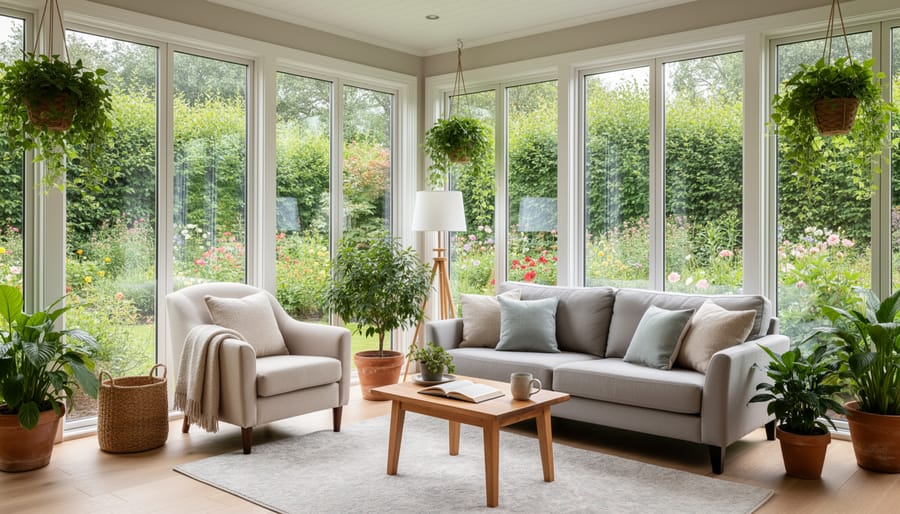
Adding a sunroom or garden room delivers tangible improvements to daily life that go well beyond curb appeal. These spaces solve real problems, especially in New Westminster’s damp climate, while creating opportunities you didn’t have before.
The most immediate benefit is consistent outdoor access regardless of weather. You get to enjoy your garden view and fresh air on rainy February afternoons or crisp November mornings without getting soaked or chilled. This matters tremendously in a region where drizzle can last weeks. You’re not choosing between staying cozy and connecting with nature, you do both simultaneously.
Natural light exposure changes how your home feels. Sunrooms bring daylight deep into your living space, which research consistently links to better sleep patterns, improved mood, and increased vitamin D production. Morning coffee in a sun-filled room beats a dark kitchen corner, and the psychological lift from genuine daylight, not artificial lighting, accumulates over time.
These spaces meaningfully advance inclusion and access. For people with mobility challenges, chronic pain, or conditions that make outdoor navigation difficult, a sunroom removes barriers between them and nature. No stairs to navigate, no uneven ground, no weather exposure, just a smooth path to greenery and fresh air. Wheelchair users, seniors, and anyone recovering from injury gain independence they might not have otherwise.
You’ll also gain dedicated space for hobbies. Indoor gardening thrives in the controlled humidity and light; painting or crafting benefits from natural illumination. Some people use these rooms as reading retreats or yoga spaces, quiet zones separate from the main house bustle.
Energy efficiency varies by design, but well-built four-season sunrooms with proper glazing can actually reduce heating costs by capturing passive solar warmth during winter days. The space preheats before air circulates into your home, trimming furnace use. Poorly designed versions do the opposite, so construction quality matters.
Types and Styles to Consider
Three-Season vs. Four-Season Sunrooms
Three-season sunrooms use lighter construction with single-pane windows and minimal insulation, they’re designed for spring through fall use when temperatures stay moderate. These spaces work well if you’re comfortable closing them off during New Westminster’s coldest January and February nights. They cost significantly less to build, typically $15,000 to $30,000 for a modest addition, and they still extend your outdoor season by several months beyond sitting on an open deck.
Four-season sunrooms feature double or triple-pane windows, proper insulation in walls and ceiling, and integrated heating systems that tie into your home’s HVAC. You can use them comfortably year-round, even during our wettest, chilliest winter stretches. The construction mirrors your main house more closely, which pushes costs to $30,000 to $60,000 or higher depending on size and finishes.
For New Westminster’s mild but damp winters, where temperatures rarely drop below freezing but rain persists for months, four-season construction makes more sense if you want consistent year-round use. Our winters aren’t brutal, but they’re long enough that a three-season room sits empty from November through March. The extra investment in insulation and climate control pays off when you’re enjoying your garden views during a January downpour instead of staring at a closed-off, unused space.
Garden Rooms as Separate Structures
Garden rooms built as separate structures offer a distinct advantage: physical separation from your main house creates a genuine destination in your backyard. Walk out your door, cross the patio or follow a garden path, and you arrive somewhere that feels purposefully apart, a studio, home office, or retreat space that’s still just steps away.
This separation works brilliantly for concentration. A freestanding garden room becomes your writing studio, art space, or remote work office without the distractions of household noise. You’re in your garden, surrounded by greenery and natural light, yet completely functional with power, insulation, and Wi-Fi connectivity.
From an accessibility standpoint, the approach matters. A level pathway with firm, even surfacing, no gravel or gaps, makes the garden room usable for wheelchairs and walkers. Wide doorways (36 inches minimum) and threshold-free entries ensure anyone can move in and out freely. Position the structure close enough to avoid a long trek in wet weather, but far enough to create that sense of escape.
Freestanding structures also sidestep some renovation headaches since they don’t require major modifications to your existing home. Local permits still apply in New Westminster, but the process often proves simpler than a full addition.
Conservatory-Style Designs
Conservatory-style designs lean heavily on glass walls and ceilings, creating a transparent envelope that floods your space with natural light from multiple angles. You’ll get unobstructed views of your garden and sky, ideal for New Westminster’s lush greenery and dramatic cloud formations.
These structures excel as plant sanctuaries. The abundant light supports everything from succulents to tropical specimens, though you’ll need to manage heat buildup on sunny days. South-facing conservatories warm quickly, so consider adding ventilation through operable windows or roof vents. Shading options like retractable blinds or solar-reflective glass help regulate temperature without sacrificing your panoramic views.
Furnishing requires weatherproof thinking. Direct sunlight fades fabrics and heats surfaces, so choose fade-resistant textiles and materials that won’t scorch bare skin on hot days. Rattan, teak, and powder-coated metal work well. Keep furniture arrangements flexible, you’ll want to shift seating between sunny spots in winter and shaded corners in summer.
The glass-heavy design means less wall space for storage or privacy, so plan accordingly. These conservatories work best when you embrace their transparency rather than fighting it.
Planning Your Space: What to Think Through First
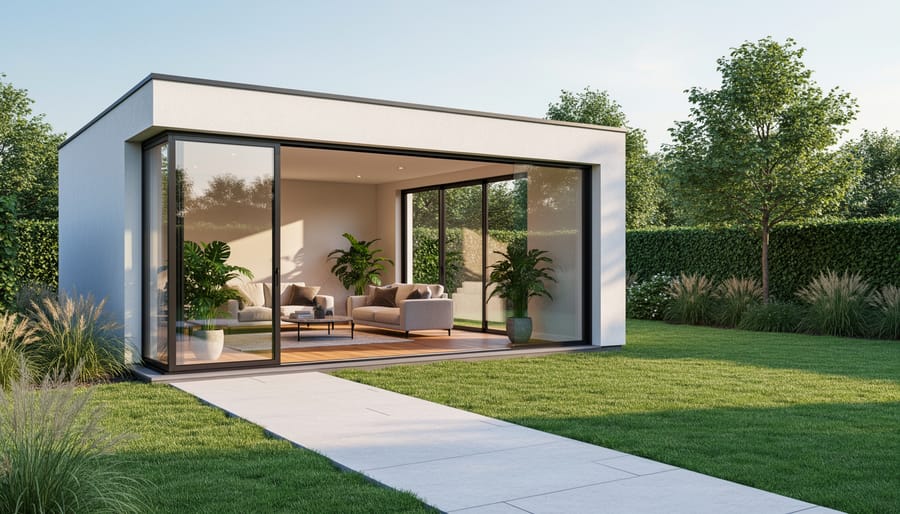
Before you start building, invest time in planning to avoid expensive surprises and create a space you’ll actually use year-round.
Start with the bureaucratic essentials. In New Westminster, most sunrooms and garden rooms require building permits, especially if you’re adding foundation, plumbing, or electrical work. Detached structures over 10 square meters typically need permits. Your property’s zoning determines setback requirements, how far your structure must sit from property lines. Contact the City’s Building Department early in your planning process. They’ll clarify what’s allowed on your specific lot and flag any heritage district restrictions if you’re in older neighbourhoods like Queen’s Park.
Site selection shapes your daily experience. Walk your property at different times of day to understand sun patterns. South-facing locations capture maximum winter light but may overheat in summer without proper shading. East-facing spaces offer gentle morning sun, perfect for breakfast nooks. Consider views, what do you want to see? Which areas feel most connected to your garden? Check drainage patterns after heavy rain to avoid building where water pools.
Accessibility matters from the ground up. Level thresholds or gentle ramps make the space usable for wheelchairs, walkers, and aging in place. Plan doorways at least 36 inches wide. Think about the path from your main house, can you access your sunroom safely when pathways are wet?
Budget realistically. Basic three-season sunrooms start around $15,000 for DIY kits, while custom four-season rooms with HVAC run $30,000 to $80,000 or more. Quality garden rooms range from $20,000 for simple structures to $50,000-plus for insulated studio spaces with utilities. Get multiple quotes and factor in foundation work, electrical connections, furnishings, and landscaping integration.
Finally, be honest about seasonal use. If you’re building three-season, will you actually use it during our damp, cool winters? Four-season spaces cost more upfront but deliver year-round value.
Making the Space Work for You
The best sunrooms and garden rooms adapt to how you actually live, not some idealized magazine spread. Start with furniture that can handle temperature swings: wicker, teak, and powder-coated metal hold up to humidity and condensation better than upholstered pieces. For cooler months, add washable cushions and throws you can swap out seasonally. A small side table and a comfortable chair instantly create a reading nook; face it toward your garden view rather than inward.
Plants transform these spaces from rooms with windows into genuine indoor-outdoor sanctuaries. Choose species suited to the light levels you have, ferns and pothos thrive in partially shaded sunrooms, while succulents and citrus need full sun. Group plants at different heights to mimic the layered look of natural landscapes, and keep a watering can within reach so maintenance becomes part of your routine rather than a chore.
If you are designing a hobby space, plan storage from the start. Wall-mounted shelves, rolling carts, and weatherproof cabinets keep supplies organized without cluttering sightlines to your garden. For accessibility, ensure pathways are at least 36 inches wide, and consider adjustable-height tables and seating with armrests for easier transfers.
Temperature control makes or breaks year-round use. Ceiling fans improve air circulation in summer, while portable radiant heaters add warmth on chilly mornings without drying out plants. Operable windows or vents on opposite walls create cross-breezes, and adjustable blinds let you manage heat gain. The goal is flexibility, your space should feel as welcoming in February as it does when park amenities draw you outdoors in July.
Common Questions About Sunrooms and Garden Rooms
How much does a sunroom or garden room typically cost?
Prices vary widely based on size, materials, and complexity. A basic three-season sunroom starts around $15,000-$25,000, while a fully insulated four-season room can range from $30,000-$60,000 or more. Freestanding garden rooms often fall in the $20,000-$50,000 range depending on finishes and utilities.
Do I need permits in New Westminster for these structures?
Yes, most sunroom additions and permanent garden rooms require building permits. The City of New Westminster reviews plans for setbacks, lot coverage, and structural requirements. Contact the planning department early in your process to understand what approvals you’ll need.
Can I use my sunroom year-round in our climate?
Four-season sunrooms with proper insulation, heating, and double-pane or triple-pane windows work well year-round in the Pacific Northwest. Three-season rooms are comfortable from spring through fall but may feel too cold on winter nights, though many people still enjoy them with portable heaters and blankets.
How much maintenance do these spaces require?
Regular cleaning of windows and gutters is the main task, along with checking seals and weatherstripping annually. Wood-framed structures need occasional staining or painting, while aluminum or vinyl frames require minimal upkeep beyond cleaning.
Will adding a sunroom increase my home’s value?
Quality sunrooms and garden rooms typically add value, though the return varies by market conditions and execution. Well-designed spaces that feel like natural extensions of your home and offer clear functionality appeal most to buyers, especially those seeking accessible ways to enjoy New Westminster parks and outdoor living from home.
What’s the best way to control temperature in glass-heavy spaces?
Ceiling fans improve air circulation in both warm and cool months. Retractable blinds or shades help manage solar heat gain in summer, while supplemental heating (electric baseboards, radiant floor heating, or mini-split systems) keeps spaces comfortable in winter without overworking your main furnace.
The answers to these practical questions often determine whether someone moves forward with a sunroom or garden room project. Budget and permits present the biggest initial hurdles, but understanding what you’re committing to helps set realistic expectations. Many New Westminster homeowners find that once they experience daily use of their new space, any concerns about cost or maintenance fade quickly compared to the benefits of having nature-connected living space they can enjoy regardless of weather.
Sunrooms and garden rooms transform how we experience nature at home, especially in New Westminster’s rain-soaked climate. These spaces solve the real challenge of staying connected to your garden and the outdoors when weather doesn’t cooperate, while creating accessible environments for everyone to enjoy nature year-round.
Whether you choose a cozy three-season sunroom or a fully insulated garden room, you’re investing in both mental wellbeing and practical living space. The natural light, plant-friendly environment, and seamless indoor-outdoor flow these structures provide make daily life more enjoyable, particularly during our long, grey winters.
Start exploring by visiting local garden centres and home shows where you can experience different designs firsthand. Talk with neighbors who’ve added these spaces to learn what works in our specific climate. Many local builders offer tours of completed projects that showcase accessibility features and creative layouts.
Remember that thoughtful design makes these spaces welcoming for people of all abilities. Wide doorways, level transitions, comfortable seating at various heights, and easy-to-reach controls ensure everyone in your household can relax surrounded by greenery and natural light. Nature connection shouldn’t have barriers, and a well-planned sunroom or garden room removes them.